Dongguan Aier Eye Hospital: One City, Three Hospitals and One Clinic, Part of a Global Network
 0769-22660023 0769-22660023
As 2026 begins, many high school seniors and their parents have already started preparing for their ideal futures. However, many overlook a crucial prerequisite—beyond excellent academic performance, certain majors and institutions have specific vision requirements.
Today, let's discuss key points worth noting on the path to achieving your college entrance exam dreams.
These Majors Have Vision Requirements!
Vision Requirements for National Defense and Military Academies
Any uncorrected vision below 4.5 (0.3) is ineligible.
Any uncorrected vision below 4.9 (0.8) in either eye requires a corrected vision examination.
Any corrected vision below 4.9 (0.8) in either eye or a corrected prescription exceeding 600 degrees is ineligible.
Vision Requirements for Public Security Majors
According to the “Special Physical Examination Standards for Recruitment of People's Police Officers (Trial Implementation),” applicants to police academies must have uncorrected vision of 4.8 (0.6) or higher and must not have color blindness or color weakness. Certain specialized positions, such as K-9 unit technicians, require uncorrected vision of no less than 5.0 (1.0).
Vision Requirements for Civil Aviation Pilots and Flight Attendants
Civil Aviation Pilots:
Uncorrected distance visual acuity in either eye must be 0.7 (4.85) or better, with binocular distance visual acuity reaching 1.0 (5.0) or better. Uncorrected near visual acuity in either eye must not be less than 1.0 (5.0).
Flight Attendant Program:
Any uncorrected near vision in either eye below 0.5 (4.7) is unacceptable.
Any uncorrected distance vision in either eye must not be below 0.1 (4.0). Corrected vision must not be below 0.5 (4.7). Refractive error exceeding ±3.00D (spherical equivalent) is acceptable.
Vision Requirements for Law Programs
Applicants with blindness in one eye and corrected vision in the other eye below 4.8 (0.6), or requiring lenses exceeding 400 degrees, are not recommended for law programs.
Vision Requirements for Medical Programs
Applicants with corrected vision in any eye below 4.8 (0.6) and lens prescription exceeding 800 diopters, or those with one eye blind and the other corrected to 4.8 (0.6) with lens prescription exceeding 400 diopters, are not recommended to apply for medical programs.
Source: Guidelines for Physical Examination in General Higher Education Institutions - Issued by the Ministry of Education, Ministry of Health, and China Disabled Persons' Federation
Important Notes
Retain complete medical documentation for future reference after surgery.
Vision stabilization typically requires 3-6 months; plan accordingly.
For 2026 college entrance examinees: Two optimal surgery windows
Important Notes
Keep all medical documentation intact for future reference.
Vision typically stabilizes within 3-6 months; plan accordingly.
Winter Break 2026
This marks the longest uninterrupted break before college entrance exams, offering ample recovery time for post-surgery students. Without early morning or evening study sessions, you can strictly follow medical advice to rest your eyes and minimize visual fatigue. For regions and institutions with later physical examination schedules, undergoing surgery during winter break also conveniently meets the 6-month requirement.
In summary, vision is a critical component of physical examinations for both military academy applicants and those preparing for enlistment. Regulations stipulate that individuals who have undergone laser vision correction surgery (such as SMILE or LASIK) must wait a full six months before participating in formal physical examinations.
Timing is crucial for success. For current high school seniors considering military or specialized academies who are contemplating surgery, early consultation and examination are essential. Carefully plan key milestones to ensure sufficient preparation time for your aspirations. Similarly, students seeking clear vision for a brighter future should align their schedules with appropriate timing to confidently transition into this new phase.
We recommend researching specific requirements of target institutions or military recruitment policies in advance to prepare thoroughly and proceed steadily.
Plan Ahead, Make Informed Decisions
Refractive surgery is not “suitable for everyone” nor “available on demand.” Achieving both safety and efficiency requires advance planning. Clarify these essential steps:
① Undergo comprehensive examinations before selecting a procedure
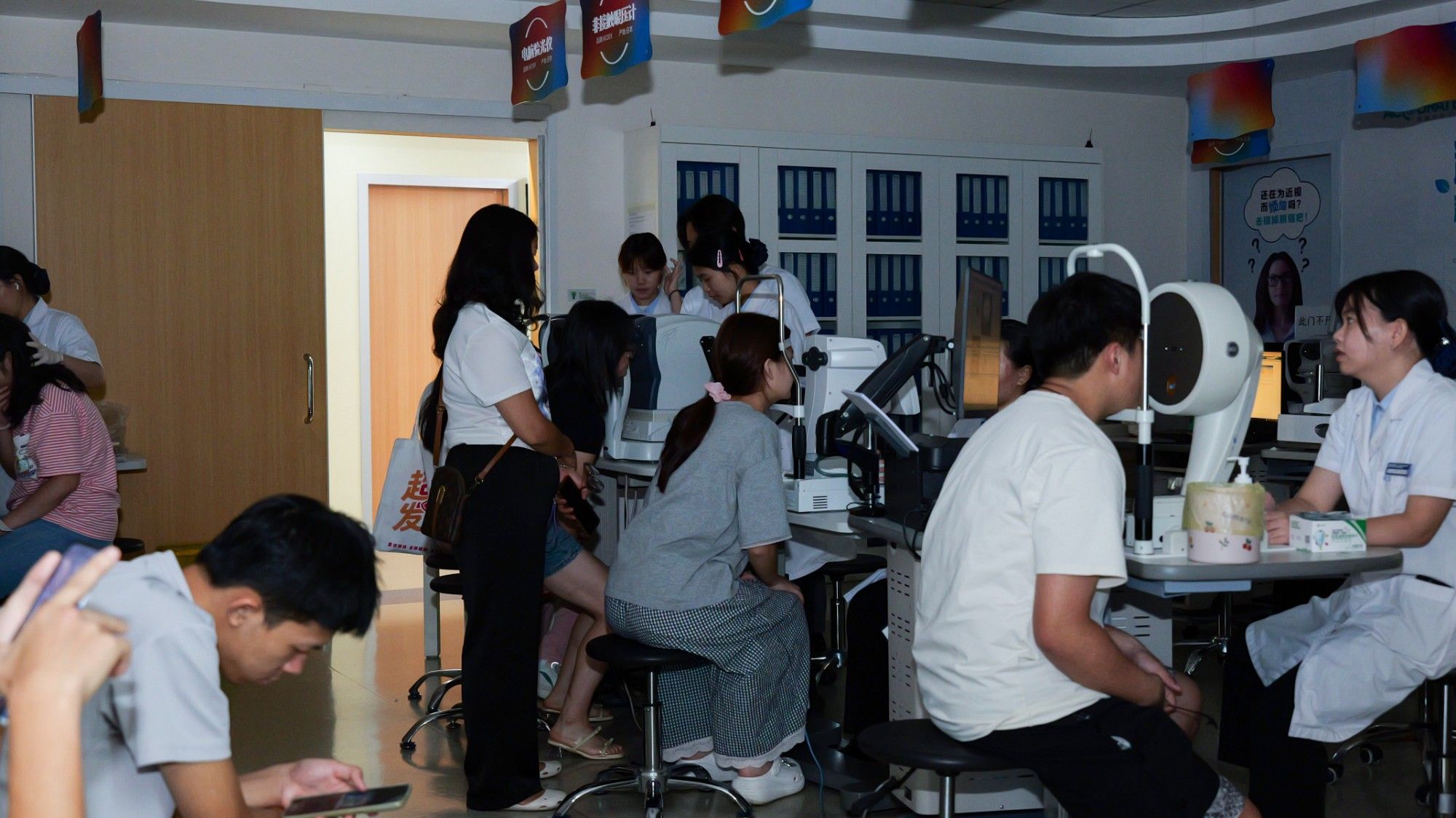
The examination serves as a rigorous “medical report,” designed to screen for all contraindications that would disqualify you from surgery. If you pass all 24 major criteria, the doctor will tailor a surgical plan based on your examination results and your goals for vision correction.
However, remember to discontinue contact lens wear before the examination to obtain accurate data:
Soft contact lenses: Discontinue wear for at least one week;
Rigid gas permeable (RGP) lenses: Discontinue use for at least one month;
Orthokeratology lenses: Discontinue use for at least three months.
② Choosing the “right” option is paramount!
First, evaluate refractive surgery options based on your individual eye conditions. For instance, military academies and targeted non-commissioned officer programs currently mandate laser-assisted corneal ablation for vision correction. Therefore, students should proactively understand the requirements for their preferred programs and plan their surgery timing accordingly.
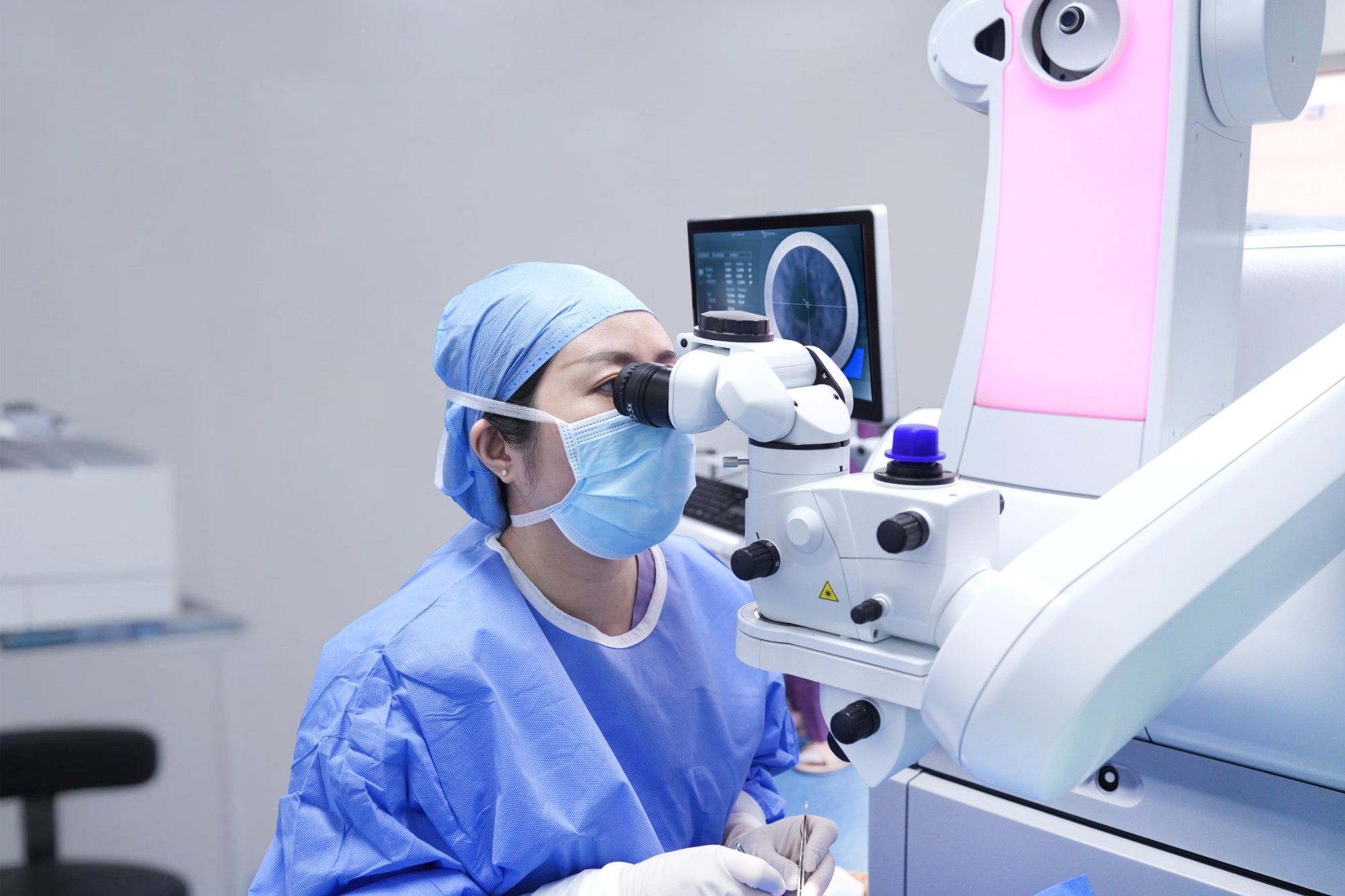
Currently, mainstream myopia correction methods—including robotic SMILE pro and all-optical sculpting—are available at Dongguan Aier Eye Hospital. The specific surgical choice depends on your actual eye condition. After a detailed preoperative examination, select the most suitable option based on your doctor's recommendation.
③ Preoperative Considerations
Rest adequately the day before surgery, avoiding late nights and excessive eye strain to ensure optimal eye condition. Refrain from applying makeup or wearing false eyelashes to minimize infection risks. Inform your doctor of any medications you are taking to determine if adjustments are necessary.
Friendly Reminder: Refractive surgery is not a last-minute “cram session” but a carefully planned “dream project.” Please closely monitor the latest official documents such as the Physical Examination Standards for Military Academy Cadets and the Physical Examination Standards for Enlisted Citizens. All requirements are subject to the most current regulations of the year. Plan ahead, stay calm, and we wish you success in achieving your dream!

咨询电话:
0769-22660023
医院地址:
东莞市东城区莞樟路石井路段171号-东莞爱尔眼科医院