Dongguan Aier Eye Hospital: One City, Three Hospitals and One Clinic, Part of a Global Network
 0769-22660023 0769-22660023
Mr. Wang (pseudonym), a 42-year-old diabetic patient in Dongguan, was diagnosed with "vitreous hemorrhage in the left eye" and "type 2 diabetic retinopathy in both eyes" due to long-term consumption of high-sugar functional drinks to refresh himself, resulting in loss of blood sugar control, and his vision in his left eye plummeted to only 20 centimeters of objects.
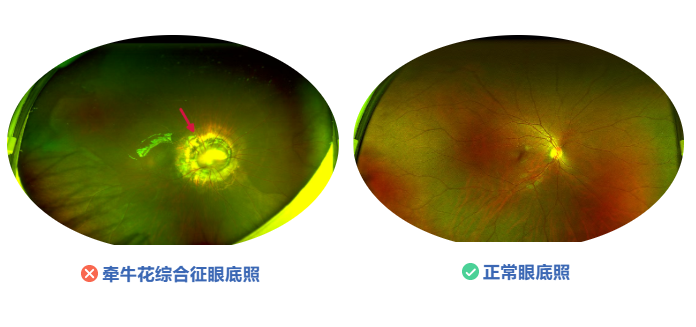
It turned out that Mr. Wang was a woolen factory worker who had been suffering from diabetes for five years, and the recent surge in factory orders made staying up late and working overtime became "commonplace", thanks to functional drinks to refresh him. However, this habit caused his blood sugar to spike, causing serious eye problems. At the time of the visit, Mr. Wang's blood sugar level soared to 19.6mmol/L 3 hours after eating (normal value 3.9-6.1mmol/L), his vision in his left eye was only 20 cm, a large amount of blood accumulation in the vitreous area covered the fundus, and the retinal blood vessels were seriously damaged.
Why are functional drinks "blood sugar assassins"?
Functional drinks are often sold as "refreshing and anti-fatigue", but their sugar content far exceeds health standards. Most functional drinks on the market contain more sugar than the World Health Organization's recommended daily free sugar intake limit (25g). Excessive sugar intake not only increases the risk of obesity and chronic disease, but also poses a huge threat to diabetics, which can be called "blood sugar assassins".

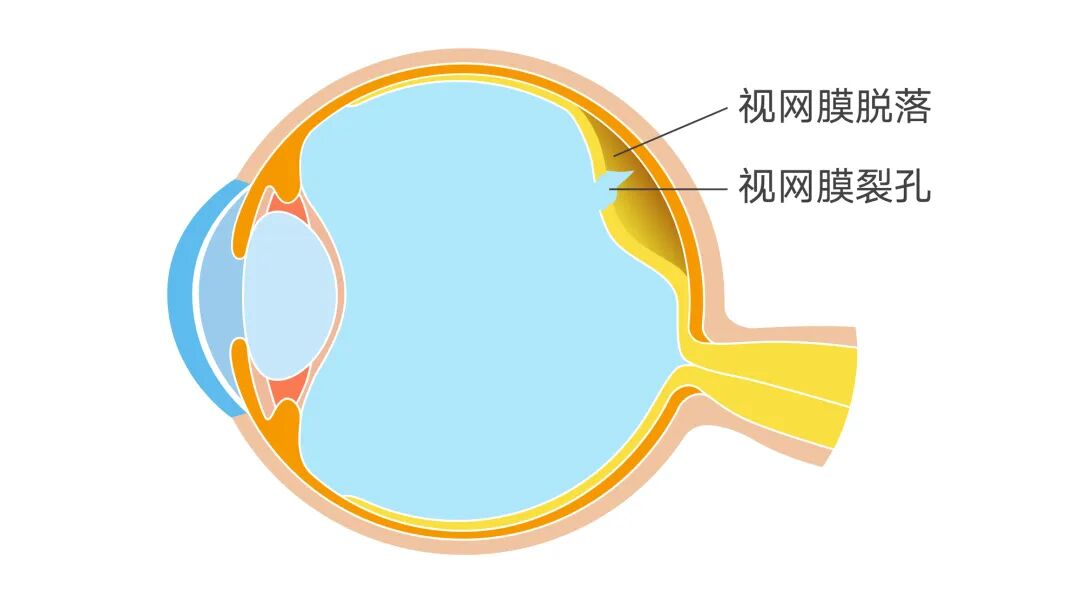
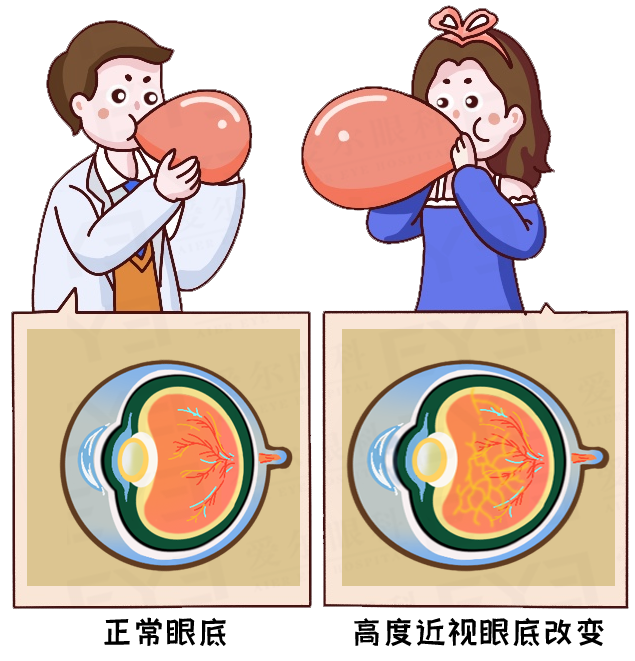
Dr. Xiao Dong of the Department of Fundus Trauma introduced that the added sugar in drinks will quickly increase blood sugar and insulin levels, which can easily cause blood sugar to get out of control; Diabetic retinopathy is one of the common microvascular complications of diabetes, the macular area of the retina of the eye is the most sensitive, long-term in a high-sugar environment, vascular endothelial cells are easily damaged, the permeability of the blood vessel wall is increased, and pathological changes such as fundus leakage and hemorrhage are induced. If diabetic retinopathy is not intervened in time, it can progress to vitreous hemorrhage, traction retinal detachment, and eventually blindness.

These signals may be that diabetes is "in the eyes"
There are almost no symptoms in the early stage of the sugar reticulum, which has little effect on visual quality and is difficult for patients to detect. In the middle and late stages, symptoms such as vision loss, visual distortion, and dark shadow obscuration in front of the eyes may occur, and when these signals appear, it means that diabetes has "eroded" the eyes and is more serious, and if active and effective measures are not taken in time, vision will be further damaged until blindness.
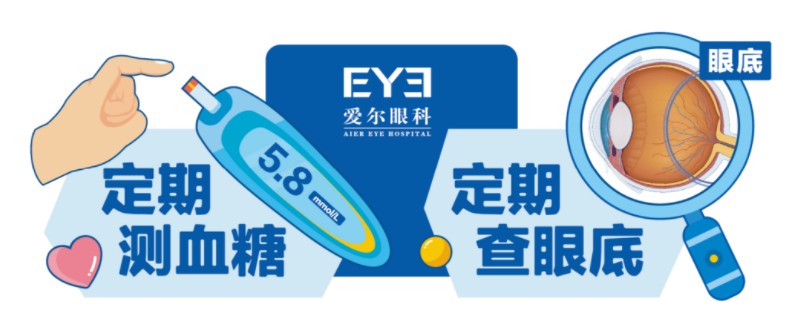
Dr. Xiao Dong warmly reminds: Most of the damage to the retina caused by diabetes is irreversible, and it is difficult for patients to return to the level of visual function before the disease, and can only actively control blood sugar to avoid aggravation of the disease. Therefore, once diabetes is diagnosed, it is recommended that patients immediately undergo fundus examination and carry out scientific intervention before the onset of the disease. Not only that, but you also need to check the fundus regularly according to the doctor's advice. Patients with diabetic retinopathy should be prepared for the long-term treatment of the disease.
Screening guidelines for high-risk groups
Regular check-ups are key
Different types of diabetics have different frequency of fundus examinations:
1. Type 1 diabetes mellitus
annual fundus examination from the age of 12; If fundus lesions have occurred, fundus lesions should be followed up every 1~6 months according to the condition;
2. Type 2 diabetes mellitus
Screening is required at the time of diagnosis, and no lesions are found every 1~2 years, and if lesions have occurred, they are shortened to 1 follow-up every 1~6 months according to the degree;
3. Gestational diabetes mellitus
The first examination before pregnancy or within 3 months of pregnancy, according to the degree of lesion, follow-up every 1~6 months during pregnancy, and strict monitoring within 1 year after delivery.
Dr. Xiao Dong reminds: Controlling blood sugar and checking the fundus regularly are the two keys to protecting eye health for diabetics. At the same time, it is also essential to develop good living habits, quit smoking, limit alcohol and avoid drinking, and control weight. If vision loss, vision deformation, dark shadows in front of the eyes, etc., should be consulted immediately.
Dongguan Aier Eye Hospital has set up a diabetic eye disease clinic for diabetic patients to provide lifelong eye health management services for diabetic patients: personalized treatment of multi-technology joint interventions such as anti-VEGF injection, laser photocoagulation, vitrectomy, etc., as well as lifelong follow-up services for case managers to track patients' blood sugar and vision changes, and provide medication and lifestyle guidance to ensure that patients can see a doctor in time and enjoy better visual quality and quality of life.
Dongguan Aier reduces the burden on sugar lovers
For a long time, striving to let "sugar friends" have efficient medical efficiency and high-quality medical services has always been the belief that Dongguan Aier Ophthalmology has always adhered to.

On the 8th of each month, the Diabetic Eye Disease Clinic provides public welfare fundus examinations for sugar patients, establishes lifelong eye health records for sugar friends free of charge, and provides corresponding eye disease management and tracking services, so as to protect the eye health of diabetic patients throughout the life cycle.
咨询电话:
0769-22660023
医院地址:
东莞市东城区莞樟路石井路段171号-东莞爱尔眼科医院