Dongguan Aier Eye Hospital: One City, Three Hospitals and One Clinic, Part of a Global Network
 0769-22660023 0769-22660023
Many people wonder: Is a retinal “hole” serious?
Today, we've invited Director Huang Hehua from the Retinal Trauma Department at Dongguan Aier Eye Hospital to explain—just how dangerous is a retinal tear? Who is most at risk?
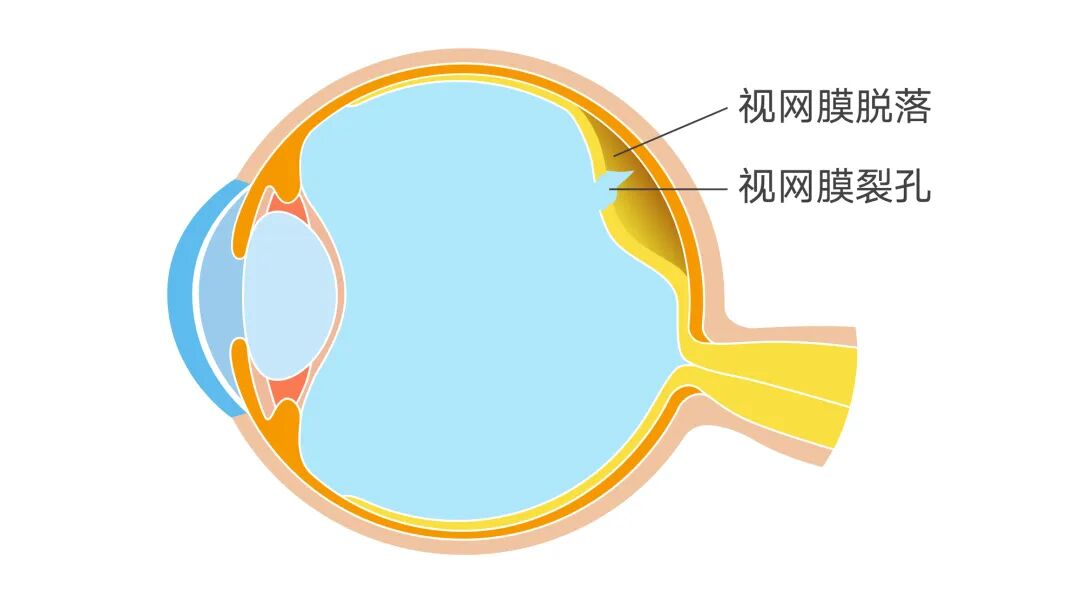
What exactly is a “retinal hole”?
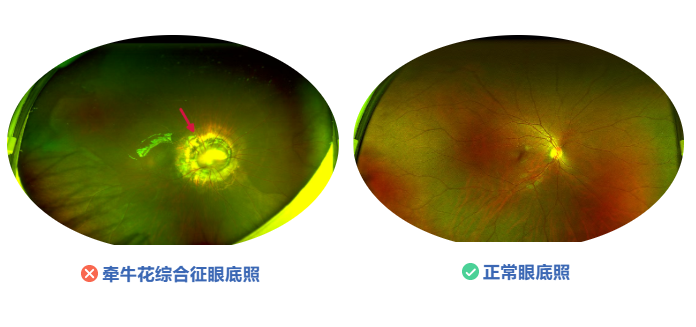
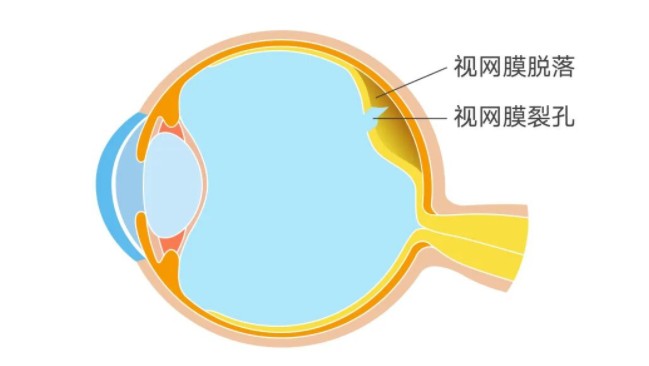
Director Huang explains that if you frequently see “floaters” accompanied by dark shadows and declining vision, this could indicate a “retinal tear”—one or more holes forming in the retina. Without timely treatment, this may lead to retinal detachment, which in severe cases can cause blindness.
Who is prone to retinal holes?
Director Huang Hehua advises that the following five groups should be especially vigilant:
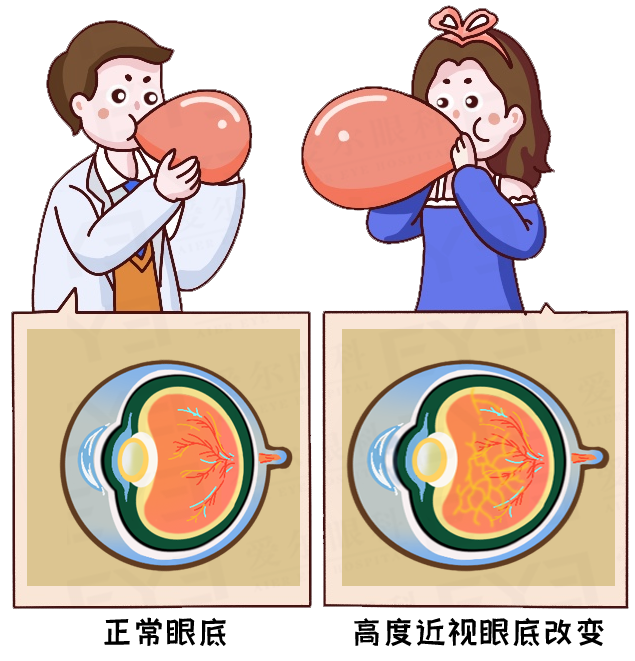
Highly myopic individuals (over -6.00 diopters) → Thinner retinas prone to degeneration and holes
Middle-aged and elderly individuals (vitreous liquefaction pulling on the retina)
Patients with a history of eye trauma
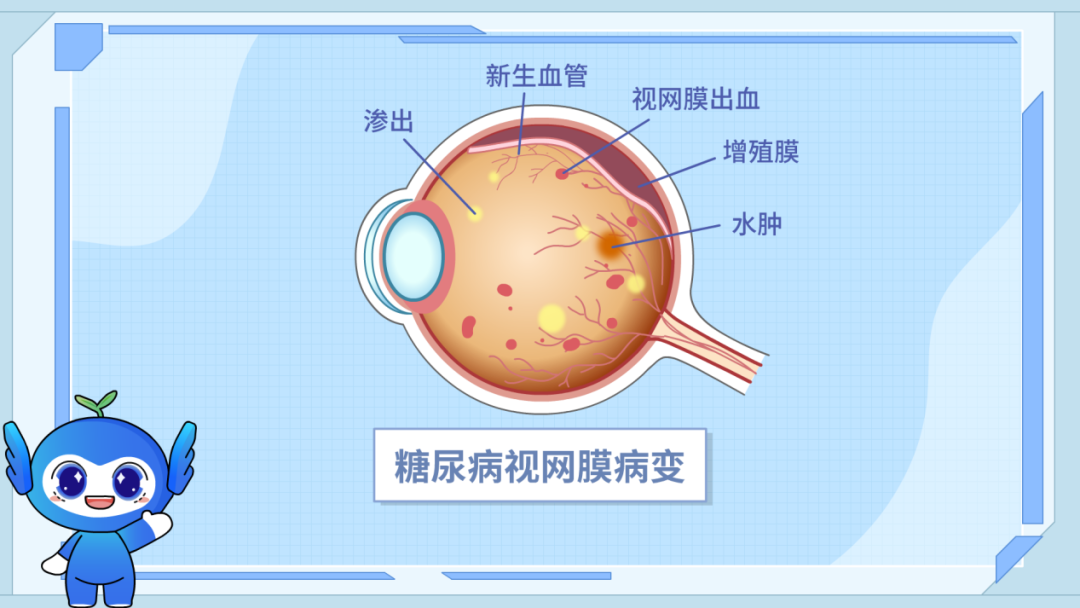
Diabetics (vulnerable retinal blood vessels)
Individuals with a history of retinal detachment or holes in one eye, as the other eye is also susceptible to the same issue.
Self-Assessment Tips
If you suddenly experience flashes of light, increased floaters, persistent dark spots in your vision, decreased visual acuity, or distorted vision, seek medical attention immediately!
How is a retinal tear treated? Is surgery always necessary?
Director Huang explains that treatment depends on severity:
Simple tear → Retinal laser photocoagulation (takes about 10 minutes, performed as an outpatient procedure)
Retinal detachment present → Minimally invasive vitrectomy or scleral buckling surgery (the sooner treated, the better the visual recovery!)
Important Reminders
❌ Don't delay! Untreated holes may peel away like wall plaster, ultimately causing blindness!
❌ Avoid rubbing your eyes! Vigorous exercise or eye rubbing may worsen the condition!
How to protect your retina? Tips from Director Huang Hehua!
Get annual fundus exams (especially for high myopia and diabetes patients)
Seek immediate detailed fundus examination if experiencing floaters or flashes
Avoid vigorous head movements (e.g., roller coasters, bungee jumping)
Control blood sugar and blood pressure (reduces vascular disease risk)
A wake-up call for everyone: What you think is a “minor eye issue” could be a major hidden danger! Are you at high risk? Share this with your loved ones now—let's protect our eyes together!
咨询电话:
0769-22660023
医院地址:
东莞市东城区莞樟路石井路段171号-东莞爱尔眼科医院