Dongguan Aier Eye Hospital: One City, Three Hospitals and One Clinic, Part of a Global Network
 0769-22660023 0769-22660023
Targeted Therapy for Thyroid Eye Disease Officially Covered by Medical Insurance; Dongguan Aier Eye Hospital Issues First Reimbursement Prescription, Reducing Patient Out-of-Pocket Costs by Over 80%
Effective January 1, 2026, the updated National Reimbursement Drug List for Basic Medical Insurance, Work Injury Insurance, and Maternity Insurance (2025 Edition) officially took effect. For the first time, it includes the targeted drug Tirozumab Injection for treating thyroid eye disease (TED) under reimbursement coverage. On January 5th, the team led by Director Ye Jianzhang at Dongguan Aier Eye Hospital, affiliated with Jinan University, issued the hospital's first medical insurance reimbursement prescription for this drug. Ms. Li, a 21-year-old TED patient, became one of the first beneficiaries. Having previously tried various therapies including steroid pulse therapy with limited results, she finally saw a new ray of hope.
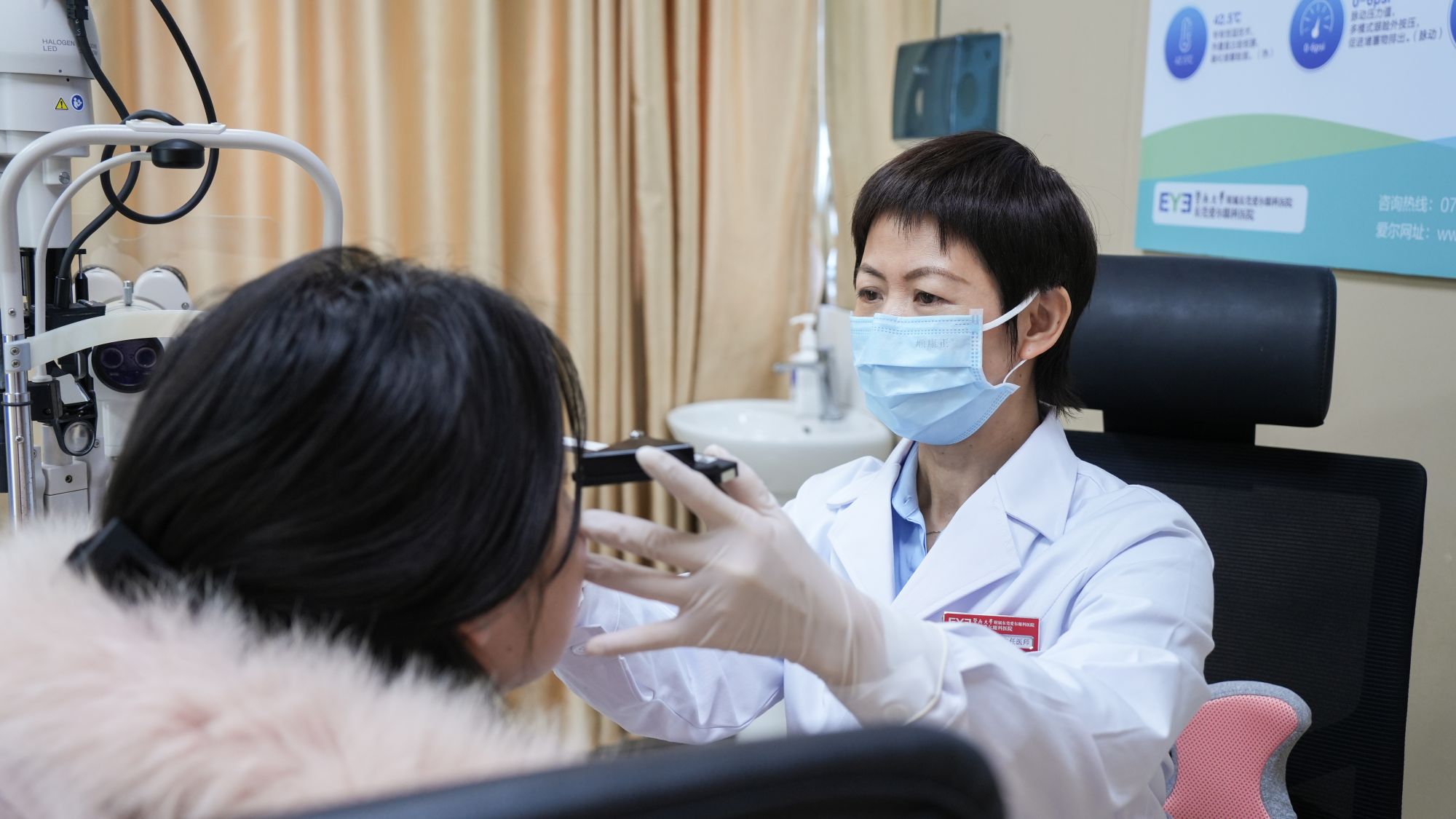
Ms. Li, from Liaobu, Dongguan, was diagnosed seven years ago with hyperthyroidism accompanied by thyroid eye disease. Symptoms including bilateral proptosis and ocular pain had long disrupted her daily life. She had undergone multiple conventional treatments, including steroid pulse therapy, but none yielded significant improvement in her eye protrusion. In August last year, Ms. Li learned that Dongguan Aier Eye Hospital offered injections of the domestically developed targeted drug Tirozumab. However, as the drug was not yet covered by medical insurance at the time, the cost of a single dose exceeded 15,000 yuan, making it prohibitively expensive for her.
A turning point arrived at the end of 2025. Following its official inclusion in the 2026 National Medical Insurance Catalog, the price plummeted to under 6,000 yuan per vial, with coverage available at the stipulated reimbursement rate. On January 5th, after evaluation by Director Ye Jianzhang, Ms. Li successfully received her first injection of Tixotumab under medical insurance. After reimbursement, her out-of-pocket cost for a single vial was only 1,909.12 yuan, representing a significant reduction in expenses.
It is reported that previously, targeted treatments for thyroid eye disease were only available through foreign counterparts, with a single course costing nearly 3 million yuan—a burden most patients could not afford. In March 2025, the domestically produced Tirozumab was approved for market release, becoming China's first TED-targeted drug. Following its inclusion in the national healthcare insurance program, patients' out-of-pocket expenses have been reduced by over 80%. Calculated at eight injections per course, this has fundamentally alleviated the financial strain on patients.
Early diagnosis and treatment are crucial. Seek medical attention if you experience these symptoms.
After receiving her first injection, Ms. Li's intraocular pressure decreased, and her exophthalmos symptoms improved noticeably. Her gaze appeared softer, and she scheduled her second treatment upon discharge.
“Thyroid eye disease is an autoimmune disorder characterized by core symptoms including proptosis, eyelid retraction, and ocular motility disorders. Severe cases may lead to exposure keratitis, compressive optic neuropathy, or even blindness and ocular perforation,” explained Director Ye Jianzhang. Traditional treatment primarily relies on high-dose corticosteroid therapy, which carries significant systemic side effects due to extensive hormone use. Tirozumab, as a targeted therapy, precisely inhibits the insulin-like growth factor-1 receptor (IGF-1R), thereby reducing ocular inflammation and muscle swelling. This alleviates proptosis and improves both appearance and function.
Director Ye Jianzhang emphasized that early intervention for thyroid eye disease is crucial for preserving vision. Individuals experiencing the following symptoms, especially those with a history of hyperthyroidism or hypothyroidism, should promptly visit an ophthalmology specialty clinic: - Protruding eyeballs, incomplete eyelid closure - Double vision, restricted eye movement - Declining vision, conjunctival hyperemia, or even corneal ulceration/perforation - Existing thyroid disease accompanied by ocular discomfort
Specialized Clinics Deliver Full-Cycle Management to Advance Standardized Care
Since 2025, Dongguan Aier Eye Hospital has pioneered the clinical application of tirotocin and established a dedicated clinic for thyroid-associated eye disease. Through a multidisciplinary collaboration model, it provides patients with comprehensive, closed-loop management spanning prevention, diagnosis, treatment, and rehabilitation. Director Ye Jianzhang emphasized that the specialty clinic tailors treatment plans to each patient's etiology and disease stage, continuously refining protocols during therapy. This establishes a seamless hospital pathway integrating diagnosis, treatment, and follow-up, delivering systematic and standardized care for TEO patients.
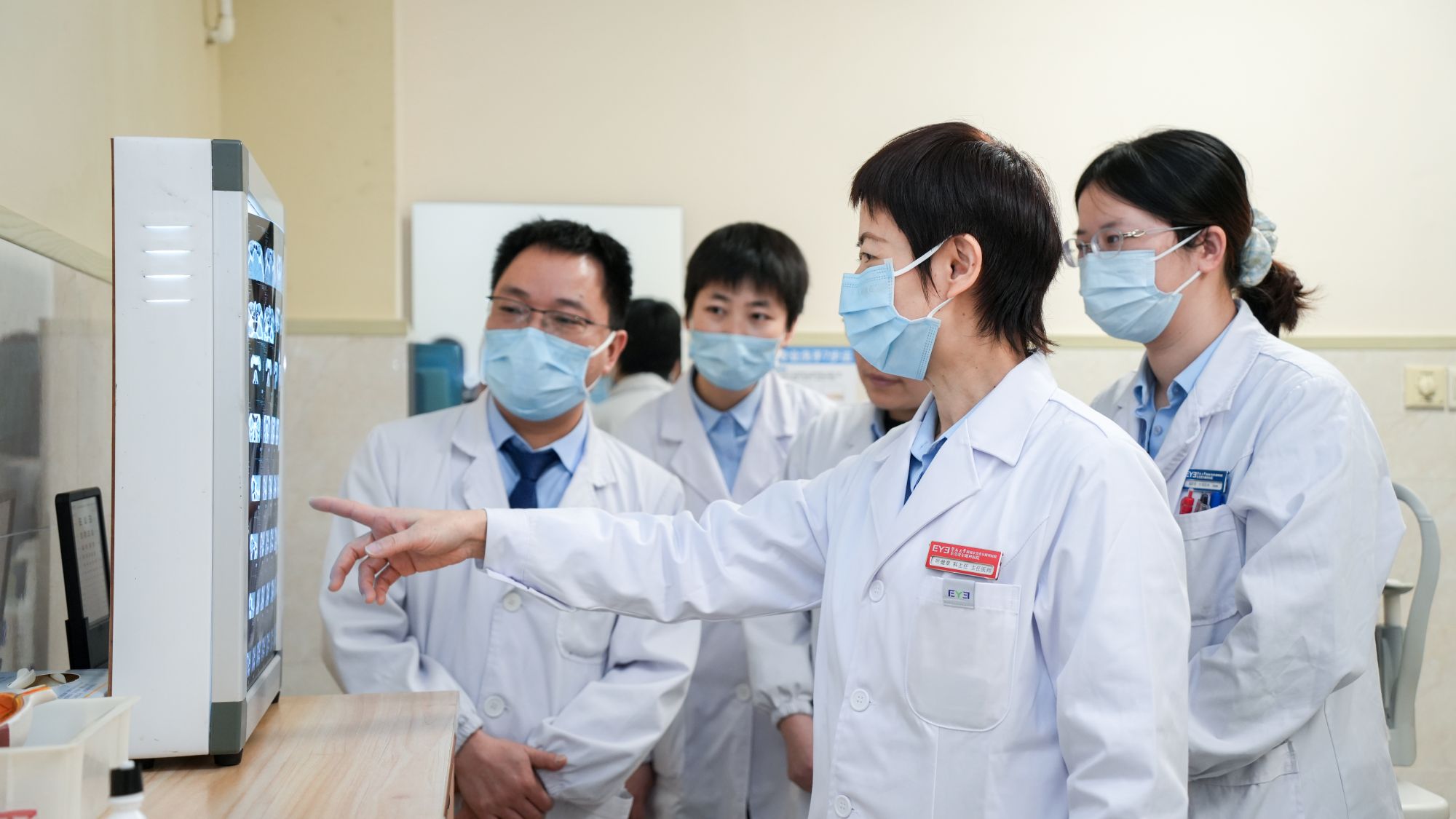
The inclusion of tirozumab in medical insurance coverage marks the dawn of a truly accessible era for thyroid eye disease treatment. This advancement not only significantly reduces treatment costs for patients but also enables more individuals to promptly access this highly effective and safe targeted therapy. Currently, patients diagnosed with moderate-to-severe thyroid eye disease by specialized ophthalmologists can have their Tirozumab injection treatment costs reimbursed under Category B medical insurance standards. The implementation of this policy will bring relief to many patients suffering from thyroid eye disease.

咨询电话:
0769-22660023
医院地址:
东莞市东城区莞樟路石井路段171号-东莞爱尔眼科医院



![[Media Coverage] Renowned Doctors’ Practice | Tan Yongchang: 20 Years of Dedication to Restoring Clear Vision to Every Pair of Eyes](/u/image/news/2026xvr7z0la7gmwscbvcx0511145509.png)