Dongguan Aier Eye Hospital: One City, Three Hospitals and One Clinic, Part of a Global Network
 0769-22660023 0769-22660023
After much anticipation, the Fluocinolone Intravitreal Implant has finally arrived at Dongguan Aier Eye Hospital! This means patients suffering from uveitis can now receive inflammation control treatment locally in Dongguan, bidding farewell to the anxiety and travel associated with recurrent flare-ups.
How does Fluocinolone treat uveitis?
The newly developed Fluocinolone Intravitreal Implant is a fourth-generation, potent, sustained-release formulation. Once implanted into the vitreous cavity, it precisely targets the affected area, minimizing systemic side effects. The drug delivers stable intraocular release for 36 months, providing long-lasting anti-inflammatory and immunosuppressive effects for sustained management. Its safety and efficacy are robustly validated.
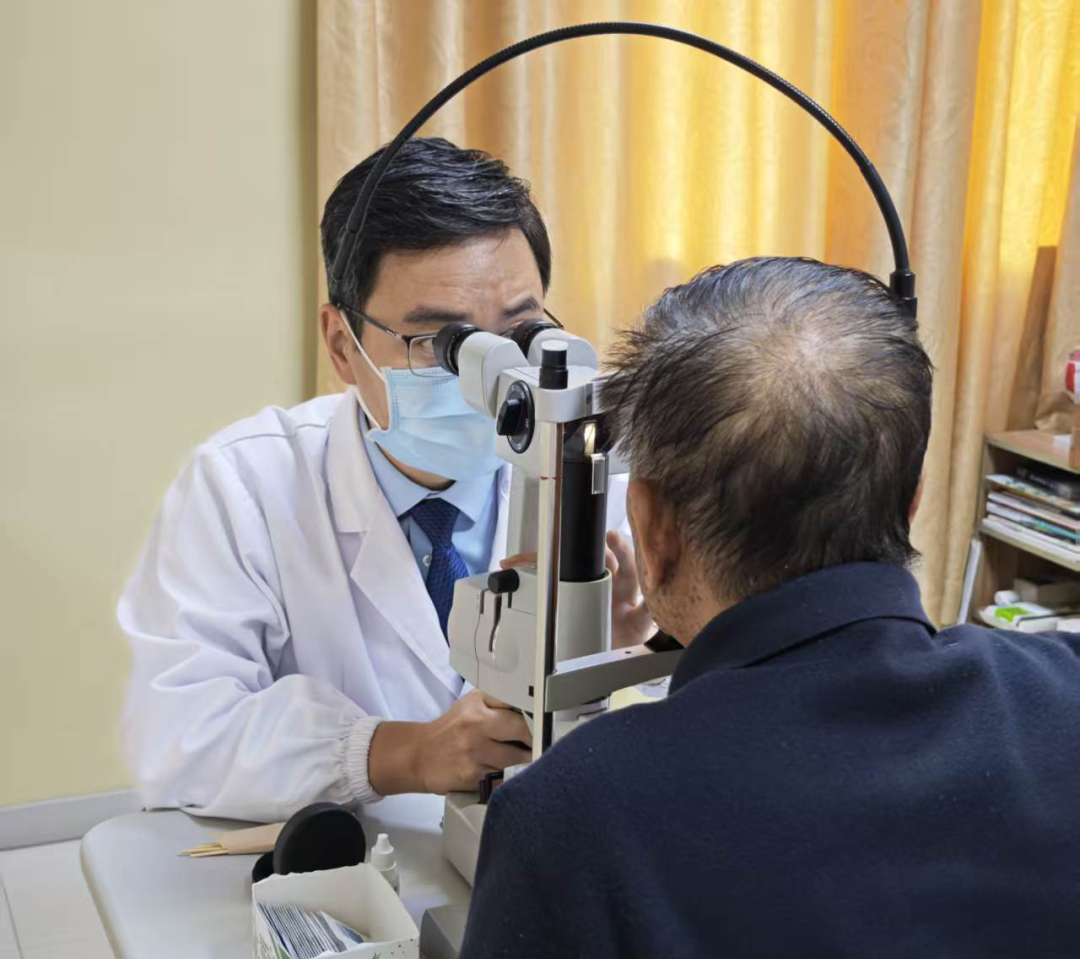
Dr. Ouyang Zhenglong from the Retinal Trauma Department explains: Uveitis treatment often involves a frustrating cycle of remission, relapse, remission, and renewed relapse. Each inflammatory episode causes irreversible damage to the patient, leading to multiple complications and increasing the risk of vision loss. The key to treatment lies in achieving long-term, stable suppression of inflammation.
Fluocortolone intravitreal implants have been officially included in the national medical insurance reimbursement scope. After insurance settlement, this significantly reduces the financial burden, bringing health benefits to a large number of uveitis patients.
Medical insurance reimbursement indications: Chronic non-infectious uveitis involving the posterior segment of the eye (including but not limited to Harada's disease, Behçet's disease, uveitis, iridocyclitis, choroiditis).
What is the uvea?
The uvea, also known as the pigmented membrane, resembles purple grapes and forms the second layer of the eyeball wall. It is divided into three parts: the anterior uvea (iris), the middle uvea (ciliary body), and the posterior uvea (choroid).
The uvea possesses high blood flow volume and slow blood velocity, supplying the eye's blood and nutrients. Pathogenic antigens in the blood precipitate here, making it closely linked to systemic diseases and one of the eye's most inflammation-prone areas. Uveitis causes include infection, autoimmune disorders, metabolic disorders, and family history.
Dr. Ouyang Zhenglong kindly reminds: The pathogenesis of uveitis is highly complex, often presenting in a “relapse-remission-relapse” pattern. Each inflammatory episode causes irreversible damage to intraocular tissues and leads to multiple complications, making treatment challenging. Failure to promptly control inflammation and delaying treatment can worsen the condition, leading to complications such as cataracts, glaucoma, macular edema, optic nerve atrophy, and eye atrophy, potentially resulting in permanent blindness.

Intravitreal Injection Center
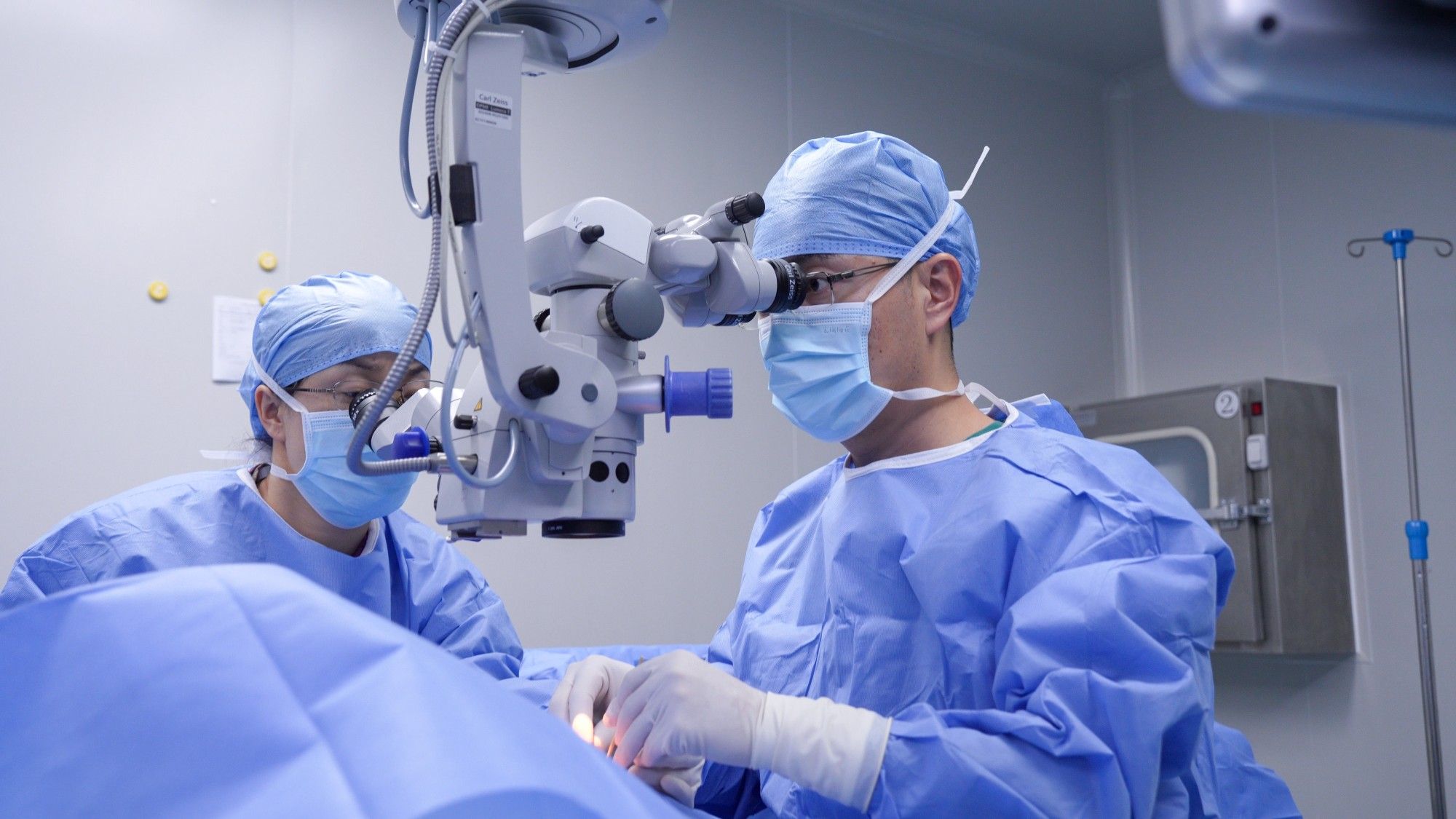
As a designated tertiary ophthalmic specialty hospital under Dongguan's medical insurance system, our institution actively implements patient-beneficial insurance policies. We currently offer multiple intravitreal injection medications eligible for medical insurance reimbursement. Intravitreal injections are commonly used to treat various eye conditions including age-related macular degeneration, diabetic macular edema, retinal vein occlusion, retinal vasculitis, and uveitis.
Our hospital has established a dedicated “Intravitreal Injection Center” (one-stop vitreous cavity injection facility). Operating under a “day-care treatment” model, we have streamlined and optimized service processes through digital transformation. Injections are typically completed within 24 hours, reducing the number of hospital visits required. This approach saves patients time and treatment costs while fully meeting their demand for convenient, high-quality, and efficient medical services.

咨询电话:
0769-22660023
医院地址:
东莞市东城区莞樟路石井路段171号-东莞爱尔眼科医院