Dongguan Aier Eye Hospital: One City, Three Hospitals and One Clinic, Part of a Global Network
 0769-22660023 0769-22660023
Have you ever had this experience: taking a quick nap with your head on your desk at noon, only to wake up with blurry vision—or even needing ten or more minutes to see clearly again? Many people dismiss this as a minor issue, unaware that this seemingly ordinary way of napping may be quietly damaging your eyes. For some people, it can even trigger a blinding eye disease—glaucoma.
Why Can’t You See Clearly After Napping Face-Down?
For most people, blurred vision and elevated intraocular pressure after waking from a face-down nap are temporary and will gradually subside once the pressure on the eyes is relieved. However, for those at risk of glaucoma, this behavior may lead to a permanent increase in intraocular pressure or even trigger a glaucoma attack.
This temporary blurred vision stems primarily from two causes:
1. Temporary changes in corneal shape: When sleeping face-down, the pressure from the surface causes the cornea to deform, leading to irregular astigmatism. Since light cannot focus precisely on the retina, vision naturally becomes blurry.
2. Corneal edema caused by ischemia: The cornea itself has no direct blood supply and relies on blood vessels in the conjunctiva and sclera for nutrients. The pressure from sleeping face-down causes these blood vessels to become ischemic, leading to corneal edema and further impairing vision.
Typically, vision returns to normal once you sit up and move around, as the shape of the eyeball gradually restores itself, blood circulation in the eye improves, and the edema subsides. However, prolonged and repeated pressure can pose significant long-term risks to eye health.
Why can sleeping face-down become a “trigger” for glaucoma?
Intraocular pressure (IOP) is the pressure exerted by the contents of the eyeball on its walls. The balance between the production and drainage of aqueous humor is key to maintaining normal IOP. In healthy individuals, IOP ranges from 8 to 21 mmHg. When sleeping face-down, the structures in the anterior segment of the eye are compressed, causing a temporary blockage of the aqueous humor drainage channels, which directly leads to elevated IOP.
For most people, this increase in intraocular pressure is temporary and returns to normal once the pressure is relieved. However, for those at risk of glaucoma, prolonged pressure on the eyes can cause intraocular pressure to remain persistently high or even rise permanently.
For patients with chronic glaucoma, intraocular pressure may already reach 30–40 mmHg, and early-stage symptoms are often barely noticeable. The pressure from sleeping on one’s stomach can further block the outflow channels for aqueous humor, making it highly likely to trigger an acute glaucoma attack, resulting in symptoms such as eye pain, nausea and vomiting, and a sudden decline in vision. Vision loss caused by glaucoma is irreversible.
These 5 High-Risk Groups Must Be Highly Vigilant!
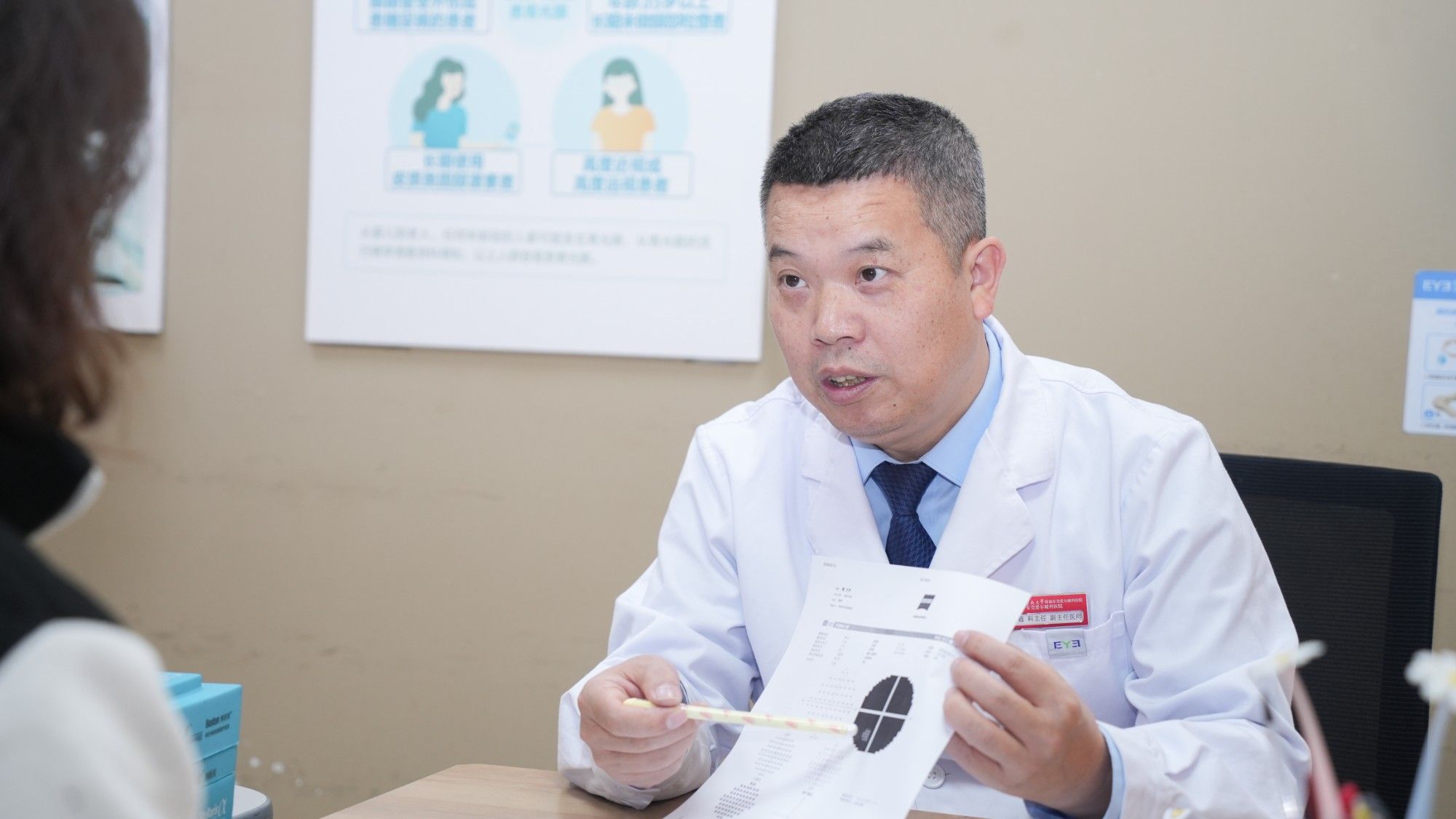
Dr. Deng Jiangwen, Director of the Glaucoma Department at Dongguan Aier Eye Hospital, warns: For the following 5 high-risk groups for glaucoma, if they habitually nap in a prone position, aqueous humor circulation in the eye will become even more impaired, leading to a more pronounced increase in intraocular pressure and a significantly higher risk of triggering a glaucoma attack. Extra caution is essential:
Among them, individuals with a family history of glaucoma face a particularly high risk, with a 6–10 times higher probability of developing the disease compared to the general population: first-degree relatives of patients with primary open-angle glaucoma have a 10 times higher incidence rate than the general population; first-degree relatives of patients with primary angle-closure glaucoma have a 6–9 times higher incidence rate than the general population [1]. It is recommended that these individuals undergo a specialized eye examination once a year to ensure early detection and treatment.
What should you do if you’re already accustomed to sleeping on your stomach?
If you’ve been in the habit of napping on your stomach, there’s no need to worry excessively. It’s not too late to make adjustments now. By following these three steps, you can reduce eye strain and promptly identify potential risks:
1. Immediately adjust your napping position: Prioritize sleeping on your back or side. If office conditions are limited, use a folding nap pillow to prevent pressure on the eyes from the source. If you find it difficult to break the habit of sleeping on your stomach, limit the duration to 10 minutes or less, and gently roll your eyes after waking to relieve eye pressure.
2. Get your eye pressure checked promptly: If you frequently sleep on your stomach and experience symptoms such as eye pain, blurred vision, or dizziness, you must visit a professional ophthalmology clinic as soon as possible to have your eye pressure, fundus, and optic nerve examined.
3. Relieve eye discomfort scientifically: If you experience dry eyes or eye strain, use artificial tears under a doctor’s guidance; In daily life, avoid prolonged use of electronic devices, take regular breaks, and look into the distance to allow your eyes to relax.
March 8–14, 2026, marks World Glaucoma Week, with this year’s theme being “Uniting All Sectors to Prevent Glaucoma-Related Blindness.” We stand with you in our shared commitment to safeguarding clear vision.
References:
[1] China News Network: Beware of the “Thief of Sight”—These Groups Are at High Risk for Glaucoma.https://www.chinanews.com.cn/life/2024/03-06/10175042.shtml

咨询电话:
0769-22660023
医院地址:
东莞市东城区莞樟路石井路段171号-东莞爱尔眼科医院