Dongguan Aier Eye Hospital: One City, Three Hospitals and One Clinic, Part of a Global Network
 0769-22660023 0769-22660023
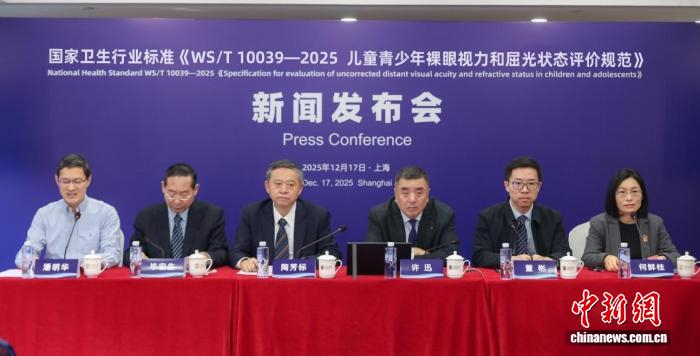
Recently, the national health industry standard “Evaluation Specifications for Uncorrected Visual Acuity and Refractive Status in Children and Adolescents” was officially released and will take effect in March next year. The introduction of this standard marks a shift in China's myopia prevention efforts from focusing on “whether myopia exists” to “whether myopia risk is present,” providing authoritative scientific guidance for protecting children's visual health.
For the first time, the nation explicitly identifies hyperopia reserve as a key indicator.
At a press conference held by the Shanghai Eye Disease Prevention and Control Center, experts provided a detailed interpretation of this new standard. This marks China's first scientific definition and standardized evaluation method for “insufficient hyperopia reserve” within an industry standard, filling a technical gap in early prevention for school vision and eye health.
Key Change:
In the past, we only focused on whether children “had myopia.” Now, we must pay greater attention to whether they “face myopia risk.” Hyperopia reserve acts like a child's “visual savings account”—insufficient reserves indicate heightened myopia risk.

What is Hyperopia Reserve?
After all this discussion, some parents may still be unfamiliar with the term “hyperopia reserve.” We can think of it as an innate “visual deposit” in a child's eyes.
At birth, every child has relatively small eyeballs and a physiological state of hyperopia. This “hyperopic power” gradually decreases as the body develops and the eyeballs grow. By around ages 12-15, this reserve is typically “spent,” and the eyes develop into emmetropia (neither nearsighted nor farsighted).
What to do if insufficient hyperopia reserve is detected?
If a child's hyperopia reserve falls below the normal range for their age group, parents need not panic excessively but must take it seriously.
This represents a critical intervention period. Taking proactive measures can delay or even prevent the onset of myopia.
Outdoor activities reign supreme: Ensure at least two hours of outdoor time daily. Natural light stimulates dopamine release in the retina, effectively slowing eyeball elongation. Running and playing in sunlight is the best “eye protection medicine.”
Develop good habits by remembering the three “20s”: After 20 minutes of close-up work, look at something 20 feet (about 6 meters) away for at least 20 seconds. This simple practice effectively relieves eye strain.
Create a supportive environment: Ensure study areas have bright, even lighting using eye-friendly lamps with a color temperature around 4000K. Maintain proper posture with “one foot, one inch, one fist” distance from screens and limit electronic device usage.
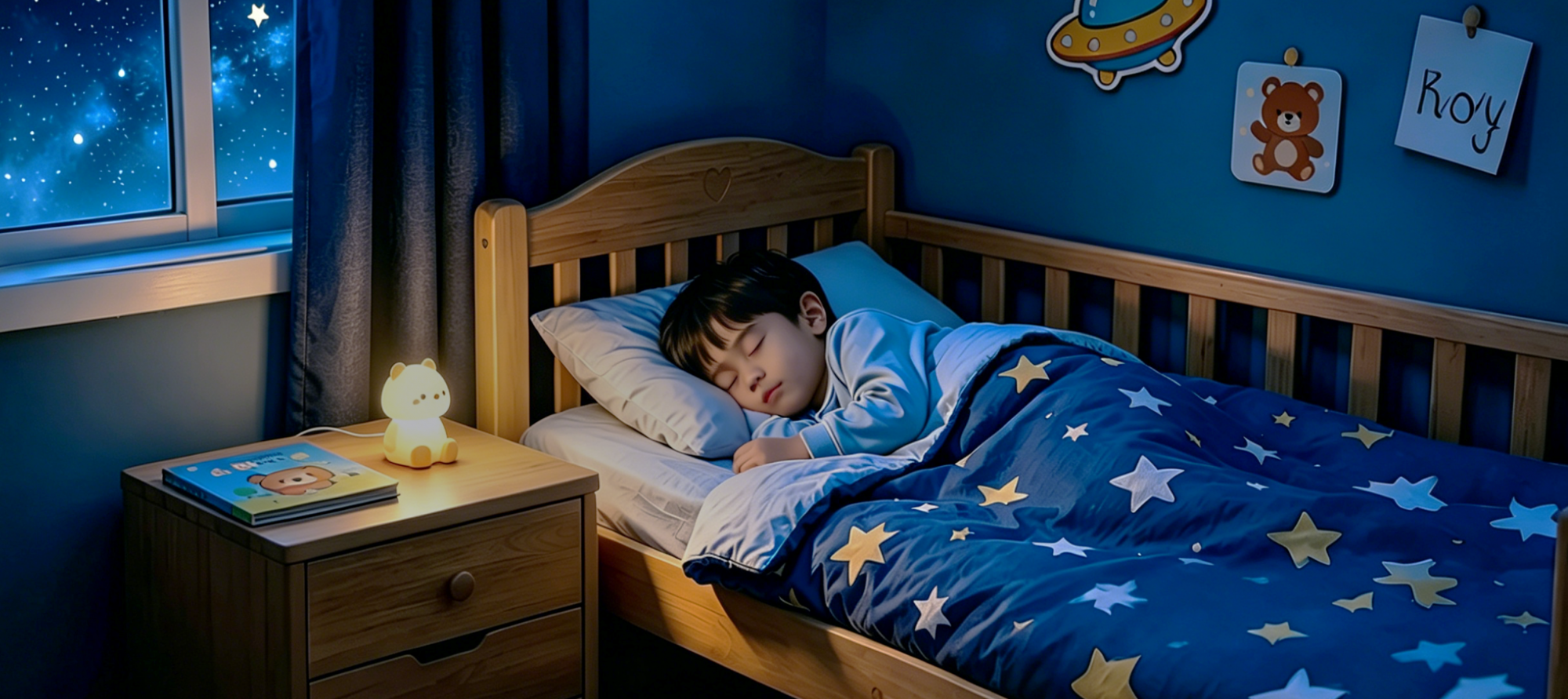
Prioritize sleep and nutrition: Elementary students should get 10 hours of sleep daily, maintain a balanced diet, and limit sugary foods. Supplement with vitamin A and lutein-rich foods like carrots, spinach, and blueberries.
Dongguan Aier: Comprehensive Lifecycle Myopia Management
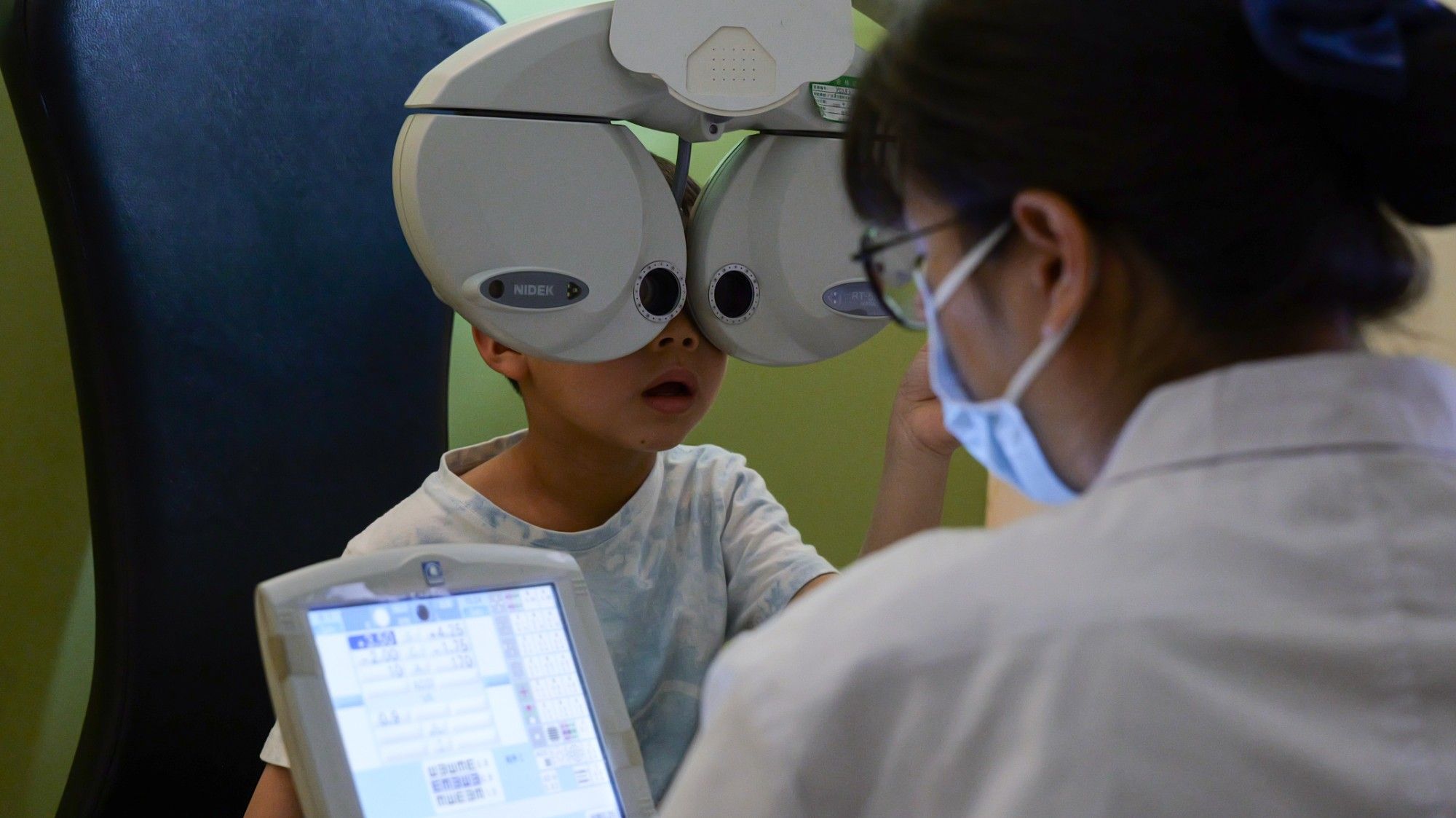
At Dongguan Aier, we focus on four stages of children's myopia progression, implementing “four examinations” and “one record-keeping” for comprehensive myopia management. We provide preventive measures—including hyperopia reserve monitoring and refractive development archives—for children at all stages: pre-myopic, suspected myopic, myopic, and highly myopic. Medical interventions such as OK lenses, specially designed frames, and low-concentration atropine eye drops are also employed to scientifically control myopia progression.

咨询电话:
0769-22660023
医院地址:
东莞市东城区莞樟路石井路段171号-东莞爱尔眼科医院