Dongguan Aier Eye Hospital: One City, Three Hospitals and One Clinic, Part of a Global Network
 0769-22660023 0769-22660023
Recently, Dongguan Aier Eye Hospital successfully implemented platelet-rich plasma (PRP) eye drop therapy in Dongguan to repair a patient with severe ocular surface damage caused by drug-toxic corneal lesions. The implementation of this technology marks a leapfrog upgrade in the treatment of ocular surface diseases such as moderate to severe dry eye syndrome and corneal damage from "symptom control" to "group regeneration".
In recent years, platelet-rich plasma (PRP) therapy has been widely used in clinical treatment in orthopedics, stomatology, dermatology and other fields, which is based on autologous blood to promote tissue repair and regeneration, bringing hope for recovery to many patients, and can also be applied to ophthalmology to treat ophthalmic diseases such as moderate to severe dry eye syndrome, corneal epithelial damage, neurotrophic corneal lesions, diabetic keratopathy, and drug-toxic keratoconjunctivitvitis disease.
"I didn't expect my blood to cure my eyes!"
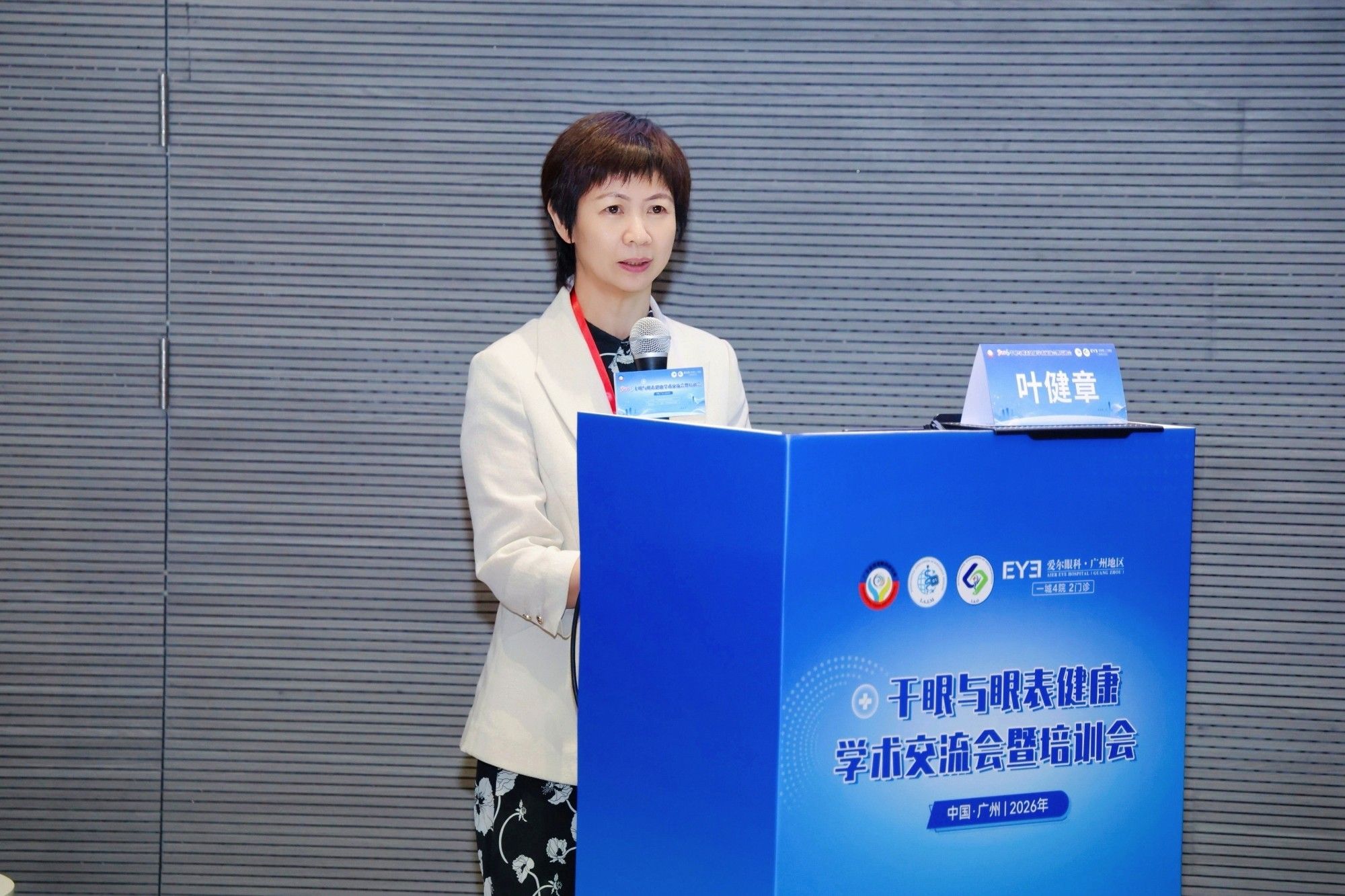
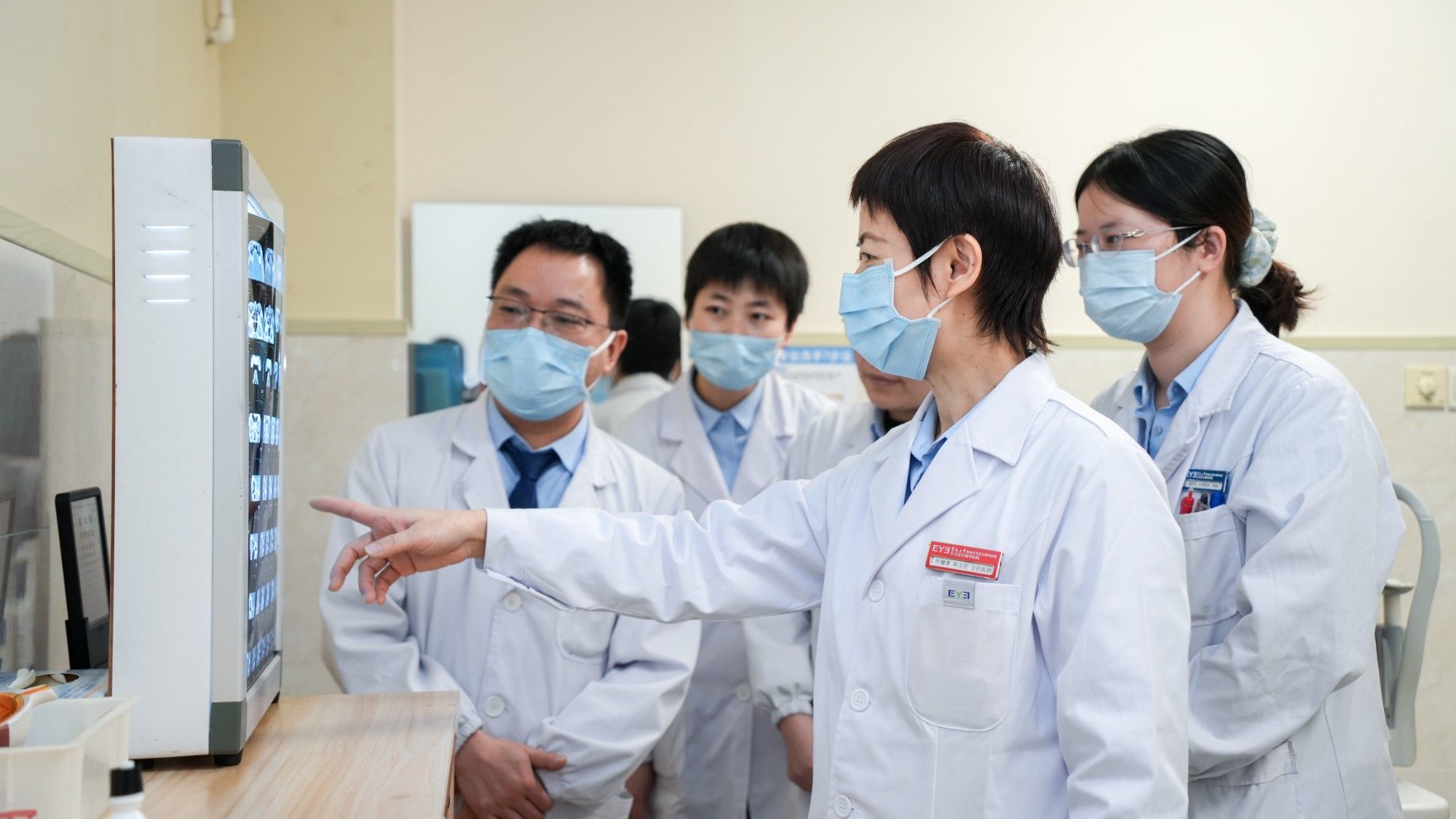
More than 20 days after undergoing cataract surgery in her hometown, 56-year-old Aunt Xi (pseudonym) was dripped with a variety of drugs, resulting in photophobia, tearing, pain, and sharp loss of vision in her left eye. Diagnosed as "drug-toxic corneal lesion", the corneal epithelial defect area is 4.5×5 mm, and the corneal stromal infiltration edema is accompanied by posterior elastic layer folds. After evaluation, the team of Ye Jianzhang, director of the Department of Corneal and Ophthalmology, decided to use PRP eye drop therapy for intervention.
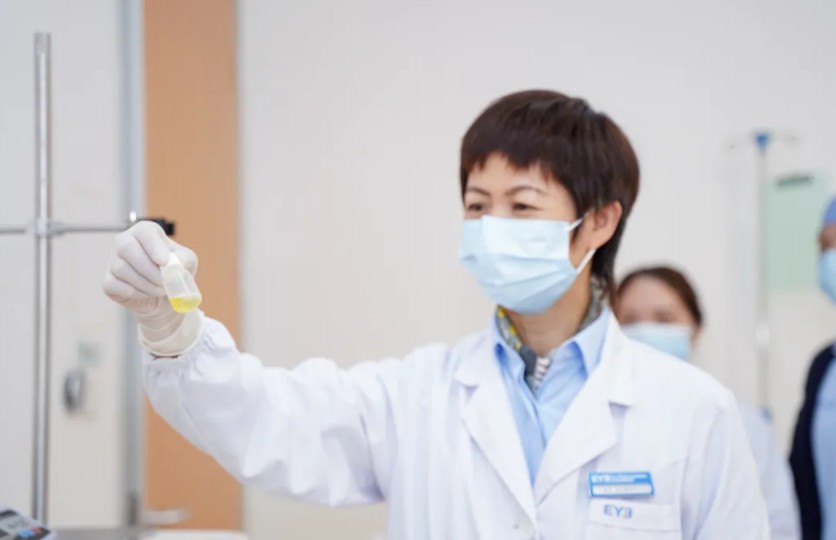
On the day of treatment, the team extracted platelet-rich plasma from Aunt Xi's own blood, purified it by centrifugation to make high-concentration growth factor eye drops, and immediately applied them to the affected eye. "I didn't expect my blood to cure my eyes!" Aunt Xi sighed.
What is PRP eye drop therapy?
Ye Jianzhang introduced that platelet-rich plasma (PRP) eye drop therapy is an ocular surface repair treatment, which is prepared into eye drops rich in growth factors by centrifugation to extract high-concentration platelets from the patient's blood, which directly acts on the damaged ocular surface tissue, promotes corneal epithelial repair, inhibits inflammatory responses, and improves tear film stability.
Who is PRP technology suitable for?
PRP eye drops are especially suitable for patients with moderate to severe dry eye syndrome, corneal epithelial damage, neurotrophic keratopathy, corneal transplant post-operative care, and eye chemical burns, which can promote deep corneal repair according to the cause, which cannot be achieved with traditional artificial tears and anti-inflammatory drugs.
PRP technology breakthrough
What is the support behind it?
In clinical practice, platelet-rich plasma (PRP) eye drops can be prepared from the patient's own blood, which is a complex process and requires a sterile environment and specific equipment to prepare.
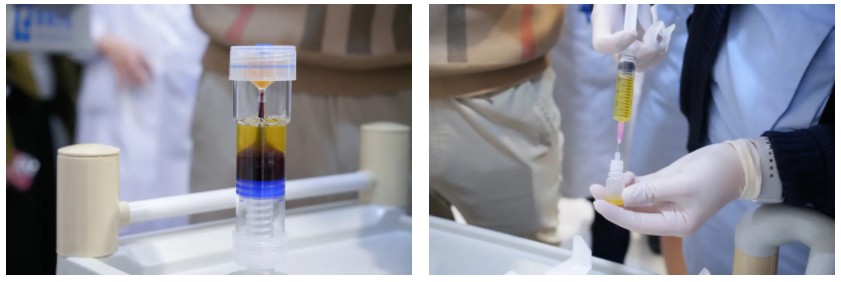
PRP technology helps build more accurate
Dry eye syndrome "triage" mode
The Dry Eye Diagnosis and Treatment Center of Dongguan Aier Eye Hospital has established a "classification diagnosis and treatment model" for the diagnosis and treatment of dry eye syndrome, and clarified that patients belong to "water deficiency type", "oil deficiency type" or mixed dry eye type through tear secretion test, meibomian gland function assessment, tear LTA quantitative detection and other technologies, and formulated an individualized plan.
For example, patients with dyslipidemia can be treated with intense pulsed light (IPL) to unblock the facial glands, while platelet-rich plasma (PRP) eye drops can provide regenerative repair support for dry eye patients with moderate to severe corneal damage.

咨询电话:
0769-22660023
医院地址:
东莞市东城区莞樟路石井路段171号-东莞爱尔眼科医院