Dongguan Aier Eye Hospital: One City, Three Hospitals and One Clinic, Part of a Global Network
 0769-22660023 0769-22660023
When it comes to cataracts, many people picture elderly people with white hair. That’s right—it is the leading cause of blindness worldwide [1] and the primary cause of vision loss among the elderly.
But you might not expect that this traditionally “age-related” condition is now quietly encroaching on younger people. Whether it’s the backbone of the workforce in their 30s and 40s or young adults just entering their 20s, anyone can become a target.
Cataracts Are “Targeting” Young People
According to recent epidemiological surveys, many middle-aged people just over 40 have been found to have early-stage lens opacities during physical examinations; and among clinically diagnosed cataract patients, it is not uncommon to find young people in their early 20s. [2]
Why is this happening? There are three main “culprits.”
Culprit 1: High Myopia
High myopia (600 diopters or higher) is a major risk factor for early-onset cataracts. Data shows that people with high myopia are 3 to 5 times more likely to develop cataracts than the general population, and the onset age can be as early as 40 to 50 years old. [3].
Even more alarming is that the overall myopia rate among children and adolescents in China has reached 52.7%, [3]. Among high school students, the prevalence of high myopia is as high as 17.6%, suggesting that the number of young cataract patients may continue to rise in the future.
In individuals with high myopia, the elongation of the eyeball leads to abnormal nutrient metabolism within the eye and increased permeability of the lens capsule, which in turn triggers protein denaturation and opacification, resulting in the early onset of cataracts.
Culprit 2: Diabetes
The incidence of cataracts among people with diabetes is 4 to 5 times higher than in the general population. The onset occurs a full 20 years earlier than in the general population, and the progression is faster, the nuclear sclerosis is more severe, and the condition is more advanced [3].
Currently, the prevalence of diabetes in China has reached 12.8%, with approximately 129.8 million people suffering from the disease, and there is a trend toward younger onset [3]. High blood sugar alters the osmotic pressure and metabolism of the lens, leading to diabetic cataracts.
Culprit 3: UV Radiation and Poor Eye Habits
UV radiation is a known risk factor for cataracts. Research shows that for every additional hour of sun exposure per day, the annual probability of developing cataracts increases by 10%. Outdoor workers face a risk of cataracts three times higher than the general population [4].
In China’s Qinghai-Tibet Plateau region, the incidence of cataracts is approximately 60% higher than in other parts of the country [4].
Furthermore, prolonged use of smartphones and computers not only causes eye strain, but the chronic stimulation of the lens by blue light from screens is also considered a contributing factor to cataracts.
How to Self-Check? Be Alert to These Signs
Early-stage cataracts primarily present with the following symptoms:
Blurred vision: Objects appear as if covered by a veil, with a constant sense of haziness.
Dark spots: Fixed, unchanging dark spots or patches appear in the field of vision.
Double or multiple vision: Seeing double or even multiple images of a single object.
Changes in color perception: Reduced ability to distinguish colors; vibrant colors appear dull and yellowish, as if a brown filter has been applied to the view.
There is another interesting sign: if you normally have presbyopia but suddenly find that you can see nearby objects clearly without your reading glasses, this is likely a “false impression” caused by a nuclear cataract leading to increased nearsightedness, and you should seek medical attention promptly. This “improvement” is only temporary; as the cataract continues to develop, your vision will deteriorate again.
If cataracts are diagnosed, what should you do?
First, it’s important to understand: currently, no eye drops can cure cataracts; surgery is the only treatment option.
Many people mistakenly believe they should wait until the cataract is “ripe” before undergoing surgery—this is a misconception! When vision drops to around 0.5 or begins to interfere with daily life and work, surgery should be considered as soon as possible.
In recent years, femtosecond laser cataract surgery has become the choice for an increasing number of patients. Compared to traditional surgery, femtosecond laser cataract surgery offers three major advantages:
Of course, femtosecond laser surgery is not suitable for everyone, and the specific treatment plan must be evaluated by a professional doctor. However, it undeniably represents the trend toward smarter and more precise cataract surgery.
How to Prevent Cataracts?
To protect your eyes, avoid staring at electronic screens for extended periods; it is recommended to take a break after using them continuously for half an hour. When outdoors in bright sunlight, be sure to wear sunglasses. Diabetics should strictly control their blood sugar levels, which can significantly reduce the risk of developing cataracts. People with high myopia should undergo a comprehensive eye examination at least once a year to ensure early detection and intervention. At the same time, smoking should be strictly avoided, as cigarette smoke damages the epithelial cells of the lens, thereby increasing the likelihood of developing cataracts.
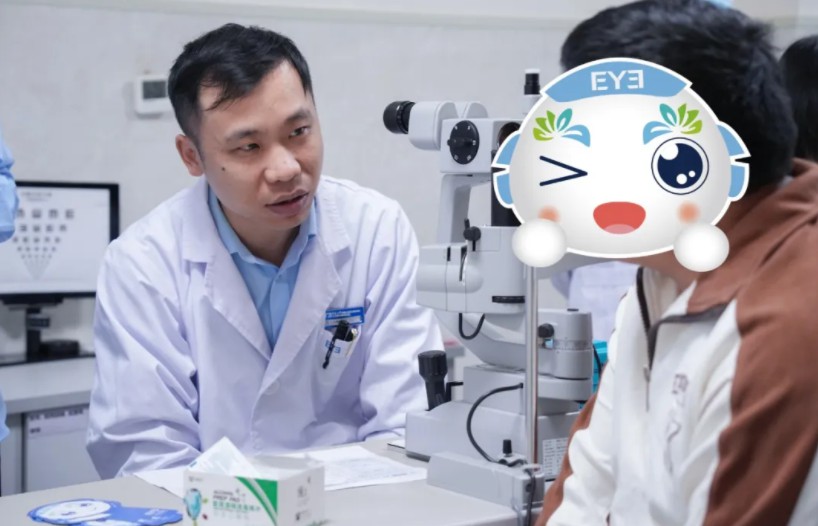
Dr. Tan Yongchang, Director of the Cataract Department at Dongguan Aier Eye Hospital, reminds us:
Although cataracts are the leading cause of blindness, as long as they are detected and treated early, the vast majority of patients can regain

咨询电话:
0769-22660023
医院地址:
东莞市东城区莞樟路石井路段171号-东莞爱尔眼科医院