Dongguan Aier Eye Hospital: One City, Three Hospitals and One Clinic, Part of a Global Network
 0769-22660023 0769-22660023
My child is taking online classes. The optical shop says blue‑light glasses can prevent myopia—should I buy them?
I keep seeing ads on my phone saying blue‑light glasses are a must‑have for eye protection.
I read online that other parents say their children do feel more comfortable when using tablets with these glasses.
But are they really effective? Are blue‑light‑blocking glasses truly the ultimate eye‑care tool? Today, we’ll uncover the facts.
When we talk about "blocking blue light," the first thing to realize is that blue light is not exclusive to electronic devices. It is an important component of the natural spectrum and is present in everyday sunlight.
Harmful blue light is limited to a specific wavelength band: Only short‑wavelength blue light in the 385–445 nm range may cause photochemical damage to the retina under high‑intensity, prolonged exposure.
Qualified electronic products already filter harmful blue light: Products that pass quality inspections have largely filtered out harmful short‑wave blue light, and their blue‑light hazard levels fall within the "no‑risk" category.
Beneficial blue light is essential: Blue light in the 445–505 nm range helps regulate biological rhythms, promotes sleep, stabilizes mood, and enhances memory. Recent vision research even suggests that certain wavelengths of blue light may help inhibit the onset of myopia.
Some studies suggest that blue‑light‑blocking glasses may alleviate dry eye symptoms (such as soreness and fatigue) caused by screen use—
Mechanism: Screen blue light accelerates tear evaporation. Blue‑light‑blocking lenses reduce light stimulation, indirectly improving ocular discomfort.
Important note: This is merely a comfort improvement and has nothing to do with myopia prevention. Since blue light is not a cause of myopia, saying that "blue‑light‑blocking products" prevent myopia clearly lacks scientific evidence.
Misconception 1: Blocking blue light = preventing myopia
There is currently no scientific evidence that blue‑light‑blocking glasses can prevent or control myopia. The main causes of myopia are visual habits (such as prolonged near‑work, insufficient outdoor activity) and genetic factors. Blue‑light‑blocking glasses only provide short‑term relief from screen‑induced eye strain.
Misconception 2: All blue light is harmful, and the more blue light filtered out, the better
Beneficial blue light (445–505 nm) is a necessary physiological light source for the human body:
✅ Regulates circadian rhythms and promotes sleep
✅ Stimulates retinal dopamine secretion, slowing axial elongation
Quality‑certified electronic products have already filtered out harmful short‑wave blue light, and their radiation levels are only 1/100 of that of sunlight.
Misconception 3: Treating blue‑light‑blocking glasses as a "miracle eye‑care tool"
Excessive light filtering can cause blurred vision and keep the ciliary muscle in constant tension. Poor‑quality blue‑light lenses may even worsen eye strain due to color distortion or low light transmittance.
Blue‑light‑blocking glasses cannot replace good visual habits. Studies show that 2 hours of outdoor activity per day is far more effective at preventing myopia than wearing blue‑light glasses. Instead of spending money on blue‑light blockers, teach your children these science‑backed eye‑care methods:
1. Outdoor activity is a "natural eye protectant"
14 hours of outdoor activity per week effectively prevents myopia.
On school days, ensure at least 2 hours of outdoor time daily; make up the difference on weekends.
High outdoor light levels promote dopamine release and slow axial elongation.
2. Golden rules for using electronic devices
Preferred order: projector > TV > computer > tablet > smartphone (the larger the screen, the better).
Viewing distance:
TV ≥ 4 times the screen diagonal
Computer ≥ 50 cm
Smartphone ≥ 40 cm
Take a break every 20–30 minutes and look into the distance for 20–30 seconds.
3. Key points on environment and posture
Ensure adequate ambient lighting; avoid using your eyes in dark environments.
Maintain proper sitting posture: "one fist, one foot, one inch" –
Keep your chest one fist away from the desk,
Your eyes one foot (about 33 cm) away from the book,
And your fingers one inch (about 3 cm) from the pen tip.
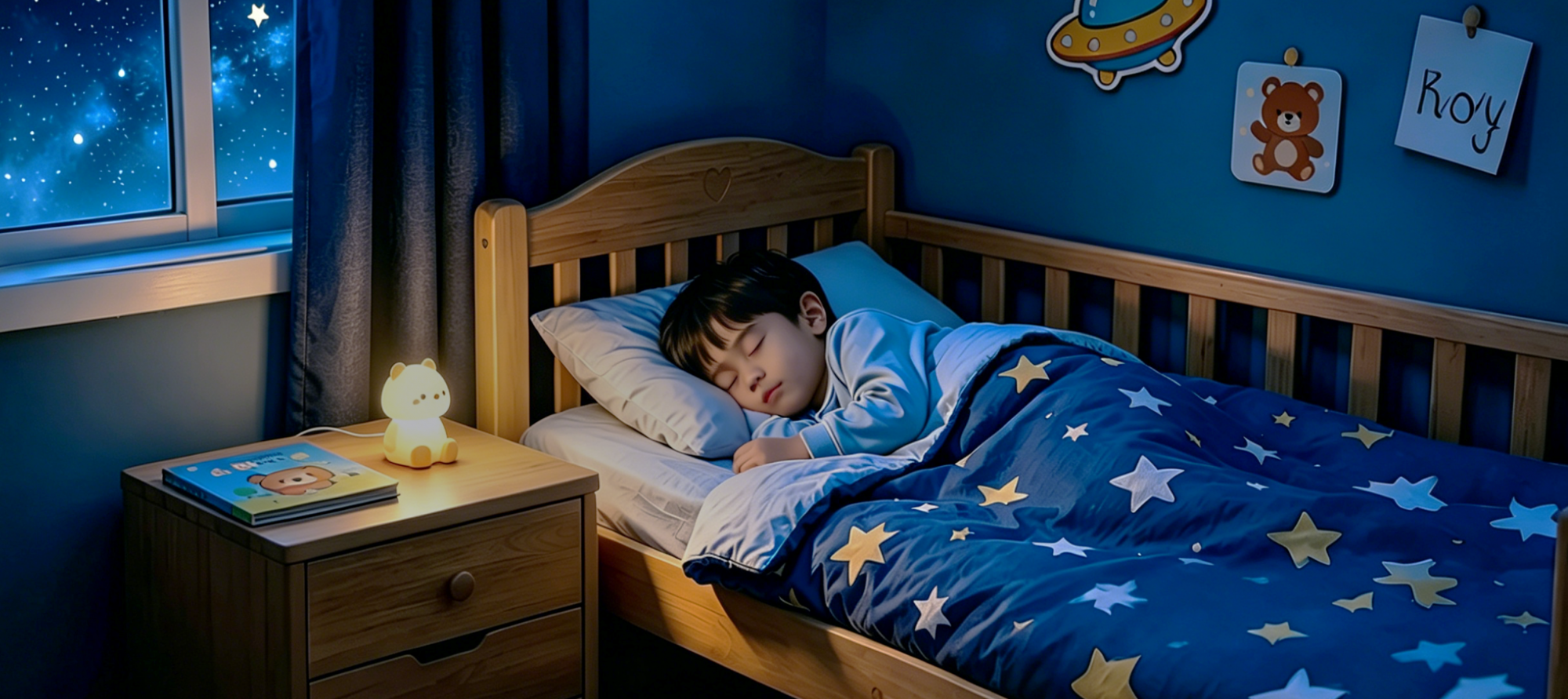
Get enough sleep – primary school children need at least 10 hours per day.

咨询电话:
0769-22660023
医院地址:
东莞市东城区莞樟路石井路段171号-东莞爱尔眼科医院